VAT can be one of the more complex areas of business accounting in the UK. From issuing the correct invoices to maintaining accurate records for HMRC, proper VAT documentation is essential for staying compliant and avoiding costly mistakes.
Many businesses unknowingly make errors in their VAT paperwork, which can lead to penalties, delays, or issues during HMRC reviews. If you’re VAT registered, it’s important to ensure your records and documents are in order.
Here are some key areas to check to make sure your VAT paperwork is correct.
VAT-Compliant Invoices
A VAT invoice must include specific information to meet HMRC requirements. Missing details can invalidate the invoice for VAT purposes.
Your VAT invoices should typically include:
- Your business name and address
- Your VAT registration number
- The invoice date
- A unique invoice number
- A description of the goods or services supplied
- The VAT rate applied
- The total VAT amount charged
Issuing proper VAT invoices ensures your customers can reclaim VAT where applicable and helps maintain clear financial records.
Accurate VAT Records

HMRC requires VAT-registered businesses to keep detailed records of their VAT-related transactions. These records form the basis of your VAT returns.
Common VAT records include:
- Sales invoices
- Purchase invoices
- Credit notes
- Import and export documentation
- VAT account summaries
Keeping these records organised helps ensure your VAT returns are accurate and reduces the risk of errors during reporting.
Correct VAT Calculations
Mistakes in VAT calculations are more common than many businesses realise. Applying the wrong VAT rate, incorrectly calculating totals, or misclassifying goods and services can all cause problems.
Regularly reviewing your VAT calculations can help ensure that:
- The correct VAT rates are applied
- Input VAT and output VAT are recorded correctly
- VAT returns accurately reflect your business transactions
This is especially important for businesses that deal with multiple VAT rates or international transactions.
Digital Record Keeping for VAT
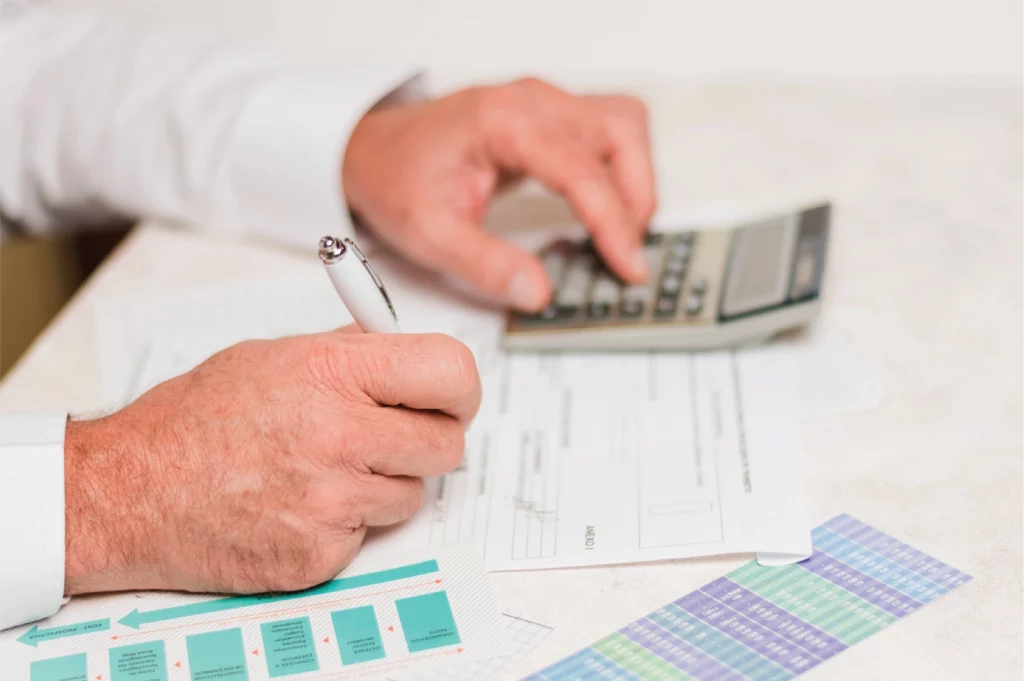
With the introduction of Making Tax Digital (MTD), most VAT-registered businesses must keep their VAT records digitally and submit returns using compatible software.
Digital accounting tools help businesses:
- Maintain organised financial records
- Reduce manual errors
- Submit VAT returns directly to HMRC
Using MTD-compliant software ensures your VAT paperwork meets modern reporting requirements.
Proper Document Retention
UK VAT regulations require businesses to keep VAT records for at least six years. These documents must be available if HMRC requests them during inspections or audits.
Proper document retention includes safely storing:
- Invoices
- Receipts
- VAT return records
- Import/export documents
- Accounting records
Maintaining a well-organised record system makes it easier to retrieve documents when needed.
Final Thoughts
VAT paperwork may seem like a routine part of running a business, but keeping it accurate and compliant is essential. Ensuring your invoices, records, and calculations meet HMRC requirements helps protect your business from unnecessary complications.
Regularly reviewing your VAT documentation, and using the right digital accounting tools, can make VAT management far more efficient and reliable.
If you’re unsure whether your VAT paperwork is fully compliant, seeking professional accounting support can help ensure your records remain accurate and up to date.